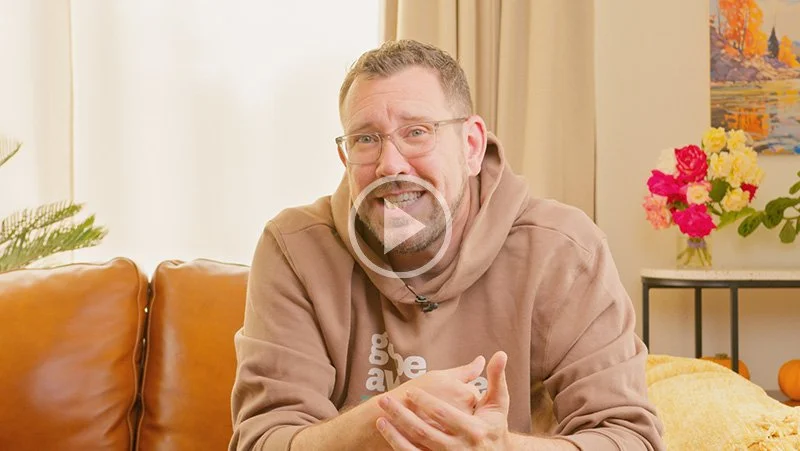
Improving Emotional Intelligence Part 5: Emotional Regulation

Welcome to the #culturedrop. Every Tuesday, Galen Emanuele emails tools to advance leadership skills, team culture, and personal growth. No spam, just great content. Sign up now to get it in your inbox.
Improving EQ Part 5: Self regulation. Practical skills for better relationships and communication.
Self-regulation sits at the intersection of self-awareness and relationship management. It shapes how we show up in conversations, how we handle pressure, navigate conflict, and move through the world when it gets difficult. In a professional setting, this is highly important because it directly impacts relationships, reputation, and trust.
At its core, self-regulation is about tuning into your emotions and managing them in a way that creates productive outcomes. Everyone encounters moments of emotional intensity — frustration in a meeting, overwhelm during a busy stretch, or tension in a disagreement. It matters to navigate situations this this well.
“Self-regulation is about tuning into your emotions and managing them in a way that creates productive outcomes.”
Recognizing when you’re flooded.
The first piece is awareness. Emotional escalation rarely happens without signals. These signals often show up physically before we fully register them mentally.
You might notice your face getting warm, your muscles tightening, or your thoughts speeding up. Maybe your volume or tone changes, or you start talking faster than usual. These can be indicators that your emotional state is rising to a level where clear thinking becomes harder.
Recognizing and catching these signals is key. They are cues that it’s time to ramp down and shift your approach before the situation escalates further.
Naming what you’re feeling is clutch.
Once you recognize that you’re activated, it’s massively helpful to get into the habit of putting language to it and identifying what’s in play.
Instead of a general sense of frustration, identify what’s underneath it. Are you feeling unheard? Misunderstood? Challenged? Dismissed?
“Once you recognize that you’re activated, it’s massively helpful to get into the habit of putting language to it and identifying what’s in play.”
This clarity matters. When you can pinpoint and name the emotion accurately, you create space between the feeling and your reaction. That pause and space can prevent unproductive responses.
Give yourself permission to pause.
In heightened moments, continuing the conversation is often counterproductive. Self-regulation includes knowing when to step back.
It’s reasonable and acceptable to say that you need a moment to regroup. Whether it’s a few minutes or a longer break, giving some space allows your nervous system to settle and your thinking to reset.
Without that pause and reset, conversations can spiral. Voices rise, emotions escalate, and the original issue can get buried under emotional reactions.
Tools to re-center.
Different tools work for different people, but the goal is the same: bring your system back to a calmer state.
Here are some ways to regulate in the moment:
Simple breathing techniques can be surprisingly effective. Slow, controlled breathing helps regulate your physiological response and brings your focus back. A basic pattern — deep steady inhale, deep steady exhale — can make a noticeable difference in a short time.
Grounding techniques are another option. Bringing your attention to your surroundings, taking a moment to focus on what you can see, touch, or hear immediately in the room and around you helps interrupt the emotional loop and re-anchor you in the present.
Physical movement also helps. A short walk, a glass of water, or stepping away from your physical space can create some separation to reset.
Writing things down is useful. Journaling or quickly jotting down your thoughts can slow you down, organize what feels chaotic in your head, and provide quick clarity about what’s actually driving your reaction.
Go one layer deeper.
“Strong emotions are often tied to something more specific than the surface issue.”
After the initial intensity fades, it’s valuable to take a moment to reflect. Ask yourself what’s really behind the reaction.
Strong emotions are often tied to something more specific than the surface issue. Identifying that deeper layer, like feeling overlooked, criticized, or unsupported builds stronger self-awareness and helps you respond more effectively.
This reflection doesn’t need to be long or complex. Even a brief self check-in can shift your perspective.
Re-enter with intention.
When you return to the conversation, do it deliberately. Decide how you want to show up.
Focus on the issue, not the person or the emotions. Keep your tone and volume grounded and steady. Stay aligned with what you actually want to communicate, rather than reacting in the moment.
Setting simple personal guidelines can help. For example, commit to not raising your voice or interrupting. These small constraints create structure, keep you more present, and keep the interaction productive.
“Self-regulation has a direct impact on your professional reputation and the quality of your interactions and relationships. People notice how you handle pressure and conflict.”
Why this matters.
Self-regulation has a direct impact on your professional reputation and the quality of your interactions and relationships. People notice how you handle pressure and conflict. Consistently showing up with control and clarity builds trust and credibility.
It also improves outcomes. When emotions are managed effectively, conversations stay focused, solutions are easier to reach, and collaboration becomes more constructive.
Building this skill over time.
Self regulation takes repetition and practice.
The more familiar you become with your own patterns, the earlier and easier you can catch them. Over time, you’ll start recognizing the signals before they fully escalate, giving you more control in the moment.
Developing self-regulation is one of the most practical ways to strengthen emotional intelligence. It’s a skill that pays off across every area of work and life, especially when things get difficult — which is inevitable.
Find tools that work for you, use them consistently, and treat the process as ongoing development. Your relationships and experience as a human will thank you.
Related Blogs:
Improving EQ Part 4: Stop Talking Only About You

Want more?
This article was created by Galen Emanuele for the #culturedrop. Free leadership and team culture content in less than 5 minutes a week. Check out the rest of this month's content and subscribe to the Culture Drop at https://bit.ly/culturedrop
MORE